
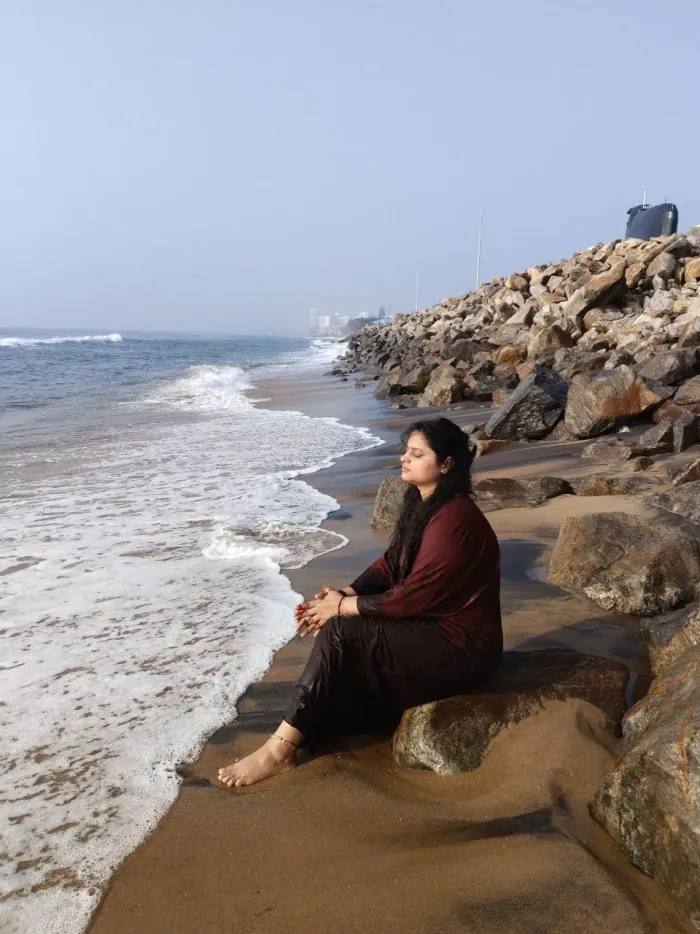
Maa Nisha Kabir
Founder & Lead Instructor20+ years of practice in Ashtanga Mahayoga, Pranayama, and silent meditation. Her first guru was Santa Kabir Das. The spiritual head of Jivan Parivartan.
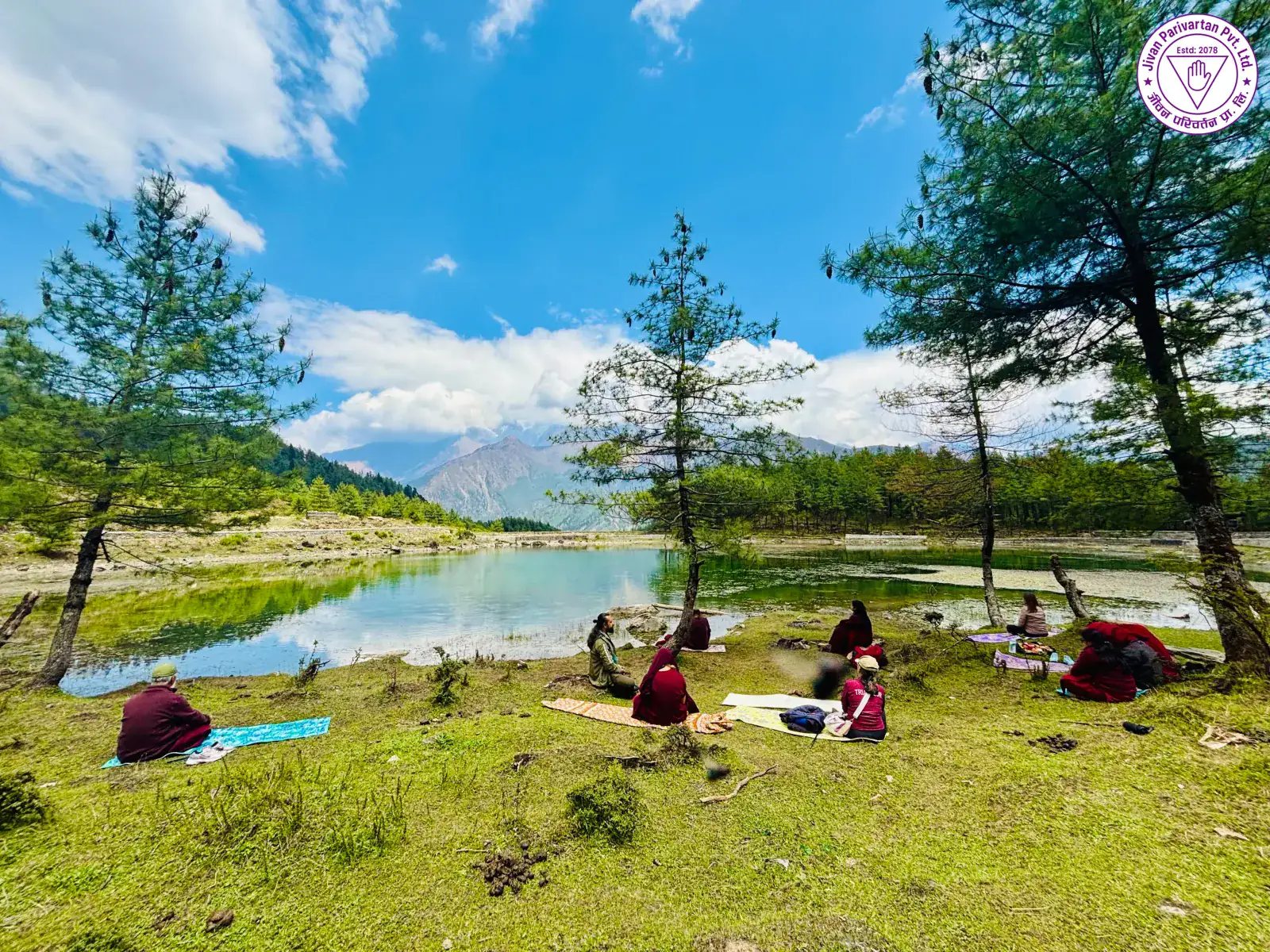
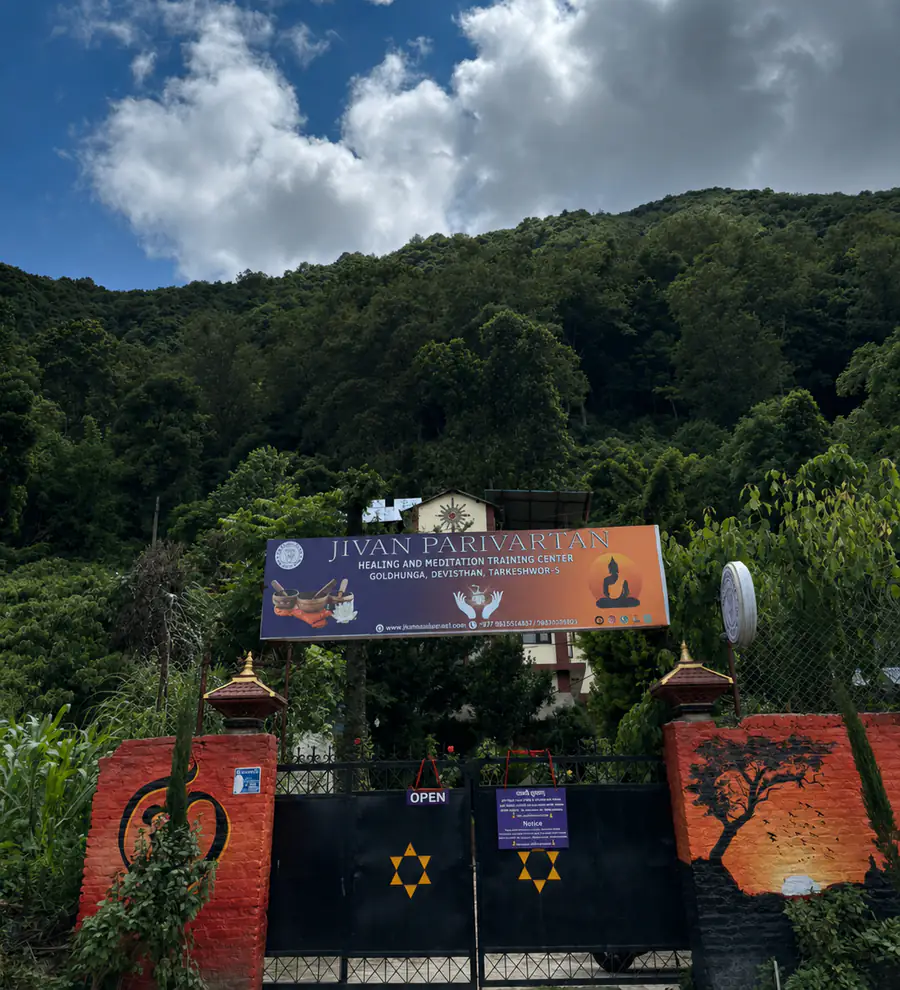
Jivan Parivartan means “life transformation.” It began in 2021, when Maa Nisha Kabir opened the doors of a single healing room in Tarkeshwor, on the north-western edge of the Kathmandu valley.
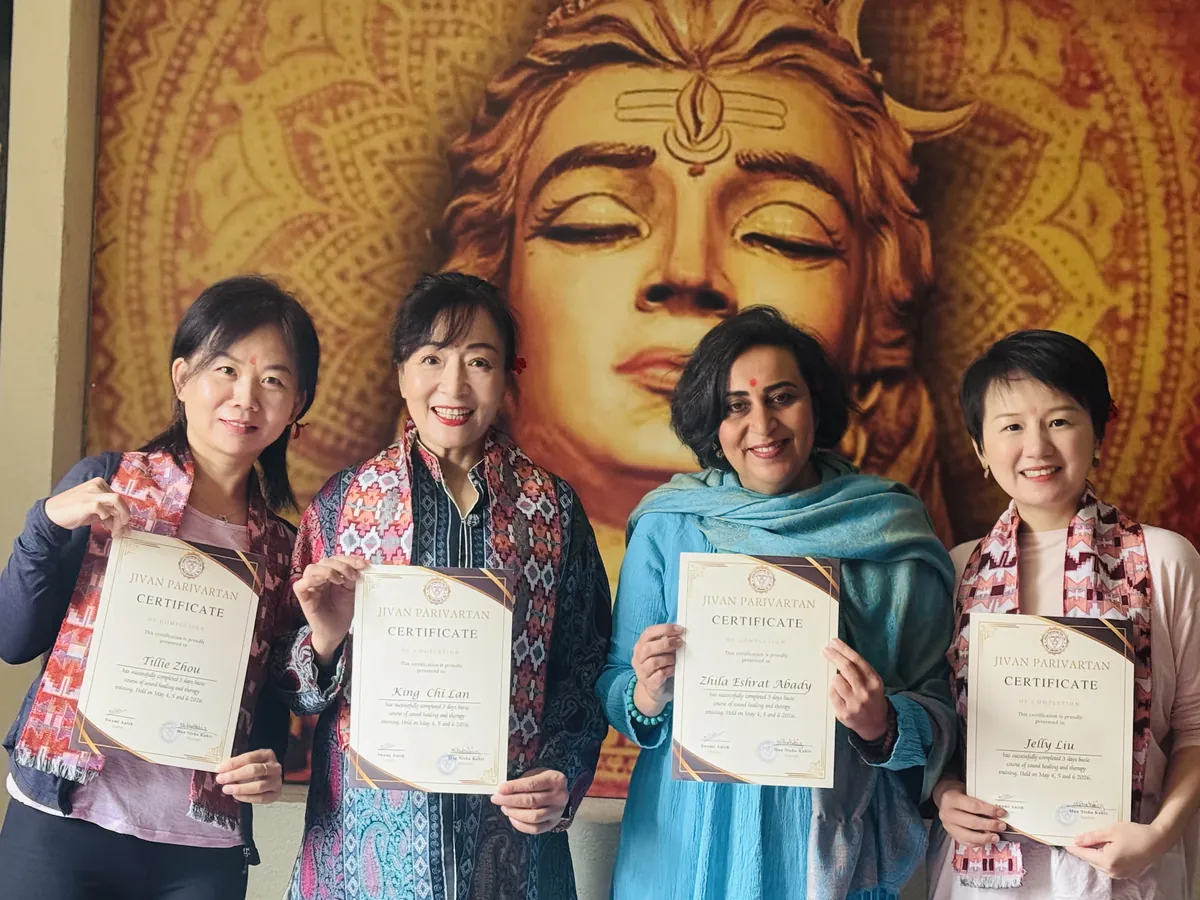
What began as a place for one-to-one healing sessions grew, year by year, into a full centre: a hall for traditional yoga, a retreat home under Nagarjun forest, and a training ground for healers and teachers who have now come from more than eleven countries.
Five years and more than ten thousand sessions later, the work itself hasn’t changed. People arrive carrying stress, grief, exhaustion, or simply a question, and are met with practice, silence, good food, and honest guidance. Nothing more theatrical than that.
Visit UsEvery number here comes from our session register. Ask at reception and we’ll show you the book.
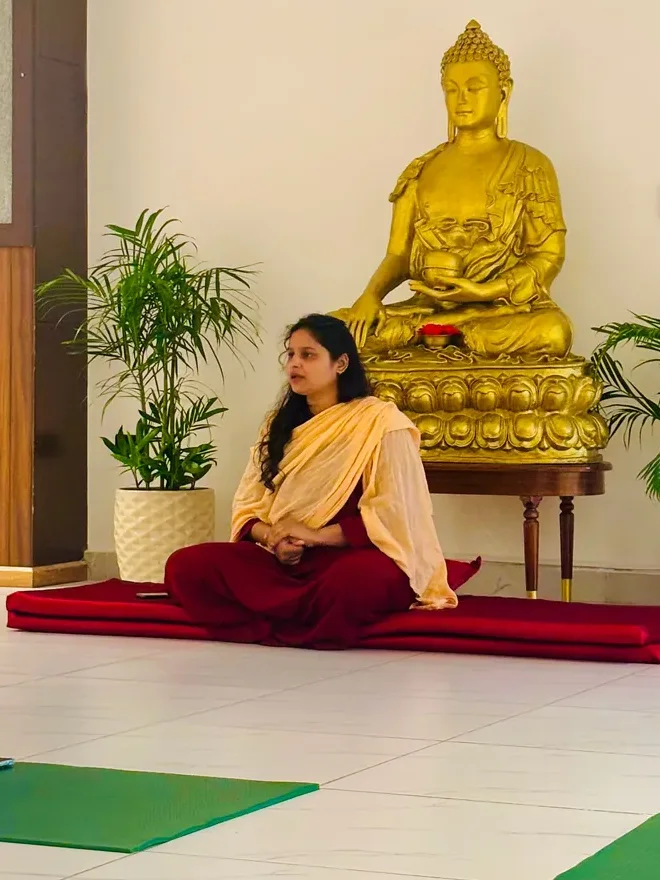
She was fourteen when she left home, not running from anything, but walking toward a question she could not put down: who am I, and why do we suffer?
Most children are told to stop asking that. She went looking for the answer instead. It took her out of her village, to her first guru, Santa Kabir Das, and on through other teachers and traditions, and because this is Nepal, and because Osho gave her questioning a language, deeper in rather than further away.
The search asked for years, not weekends. Six of them went to Vipassana: sitting in silence long enough that the silence stopped being empty. Then Mustang, where she lived two years in a cave above the treeline, with nothing to distract her from her own mind and nowhere to hide from it. That is where the question finally answered itself.
What she came down with was simple enough to say in one line, and long enough to learn in a lifetime: suffering is not a punishment, it is a pattern. And a pattern can be seen. Softened. Set down. She had spent years learning that the hard way. Someone else could begin to feel it in a single afternoon, in a quiet room, with breath and hands and sound.
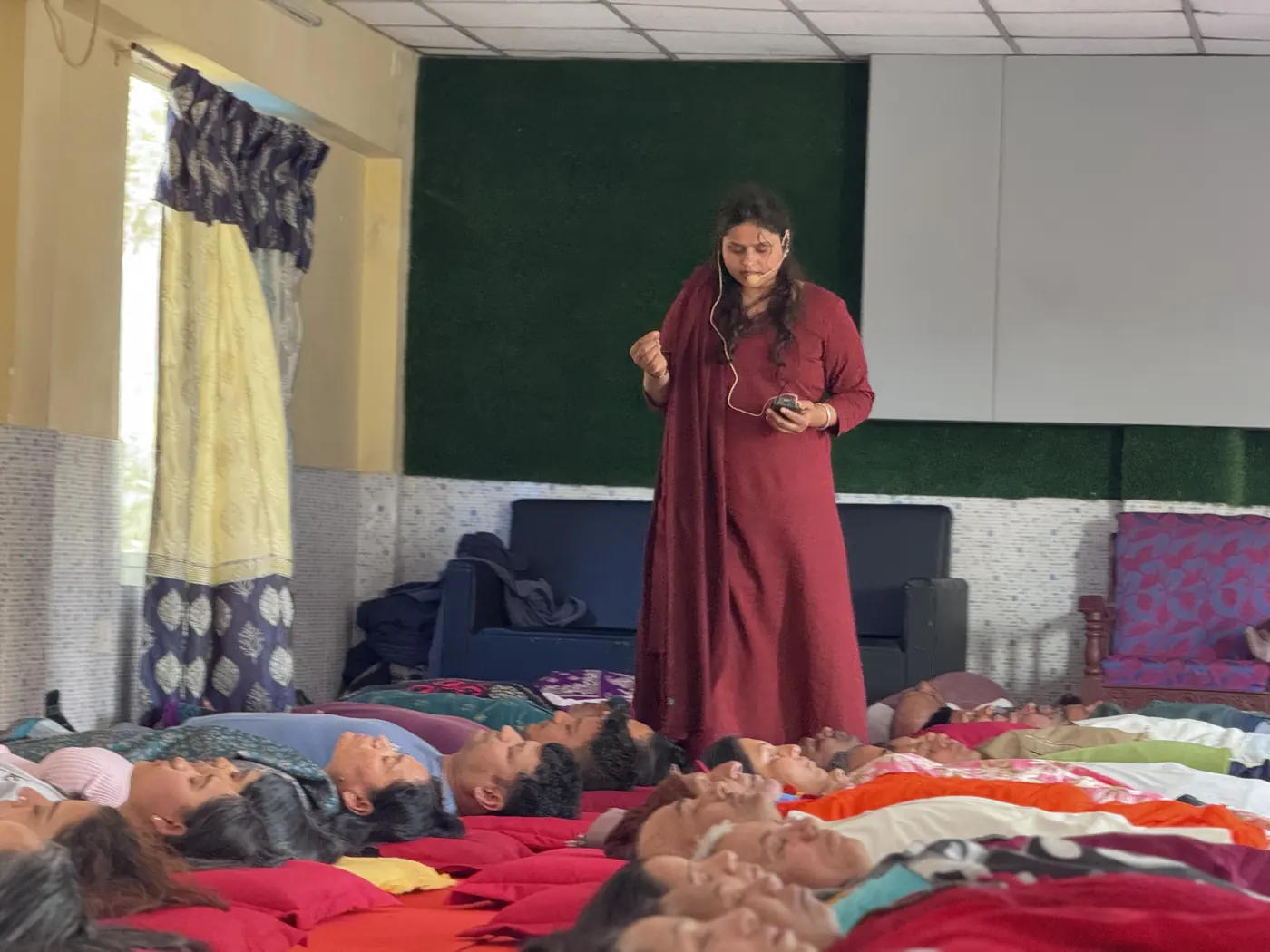
So in 2021 she rented one room in Tarkeshwor and started seeing people, one at a time. No marketing, no agents. Guests told other guests. Within a year the room had become a hall, the hall had become a retreat, and the retreat had begun producing teachers of its own. Thousands of people have since sat down with her: for Reiki, for sound healing, for the long meditation that has no shortcut.
“I never went looking for a centre. I went looking for an answer. The centre is only what happened when other people wanted to sit down beside me and ask the same question.”
Maa Nisha Kabir
She still teaches. If you come here for a meditation intensive or a Reiki attunement, she is in the room, not on a poster at reception. That is the difference we are protecting as the centre grows.
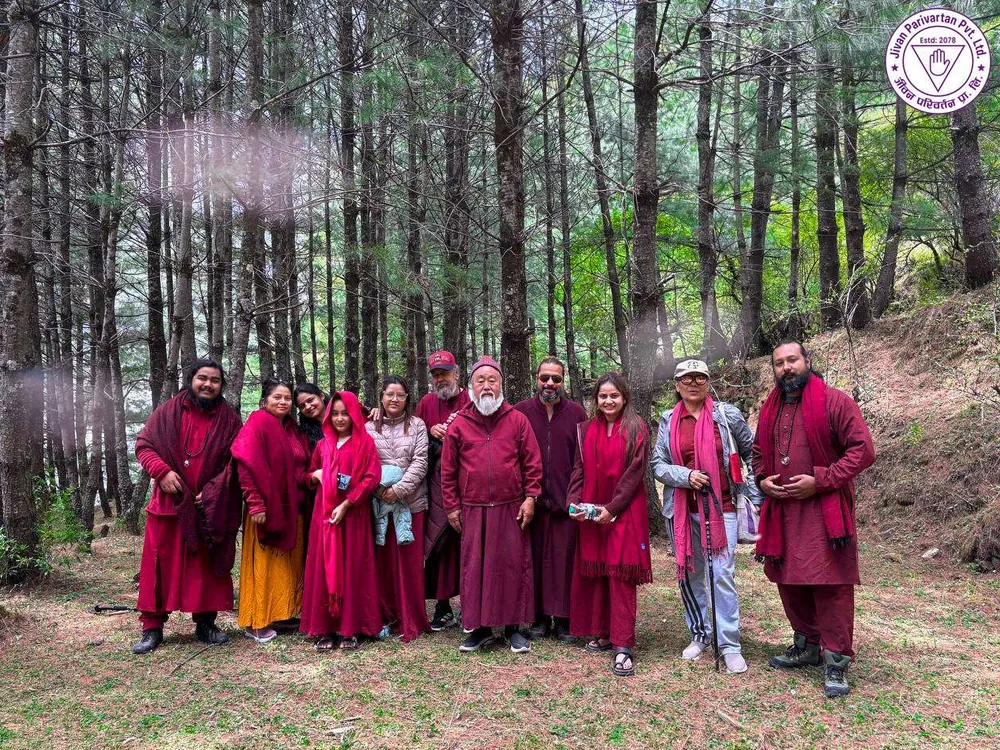
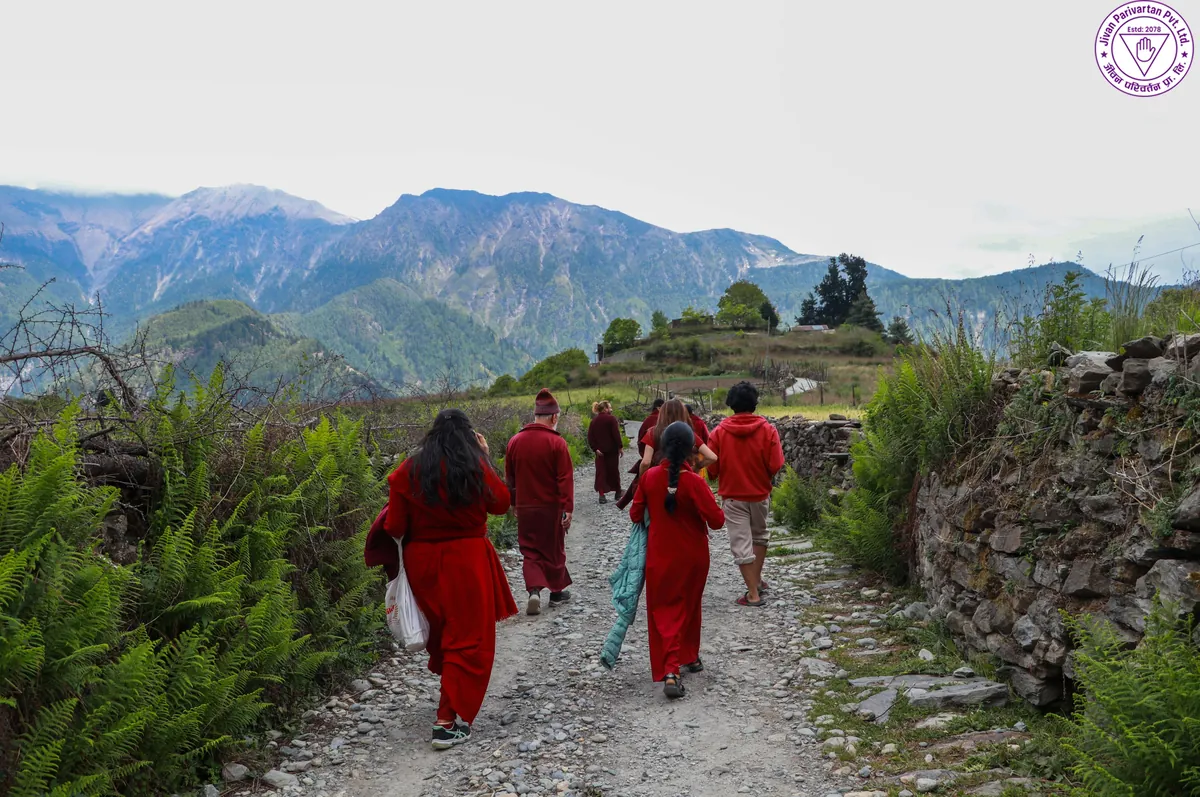
Jivan Parivartan Pvt. Ltd. is a family-run healing and meditation training centre at Tarkeshwor-5, Kathmandu: nine people, one hall, one healing room, one kitchen. Everything below is ours; nothing on this page is a stock photograph.
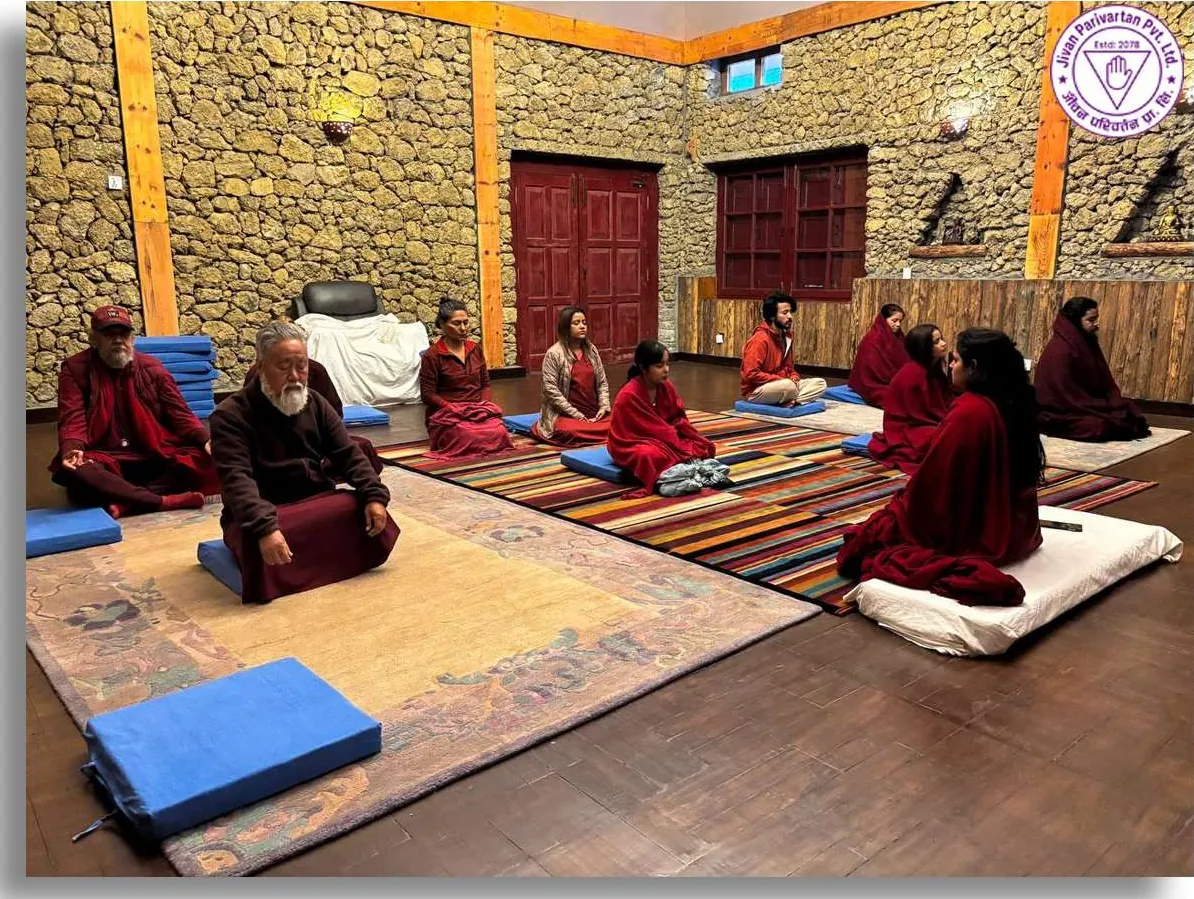
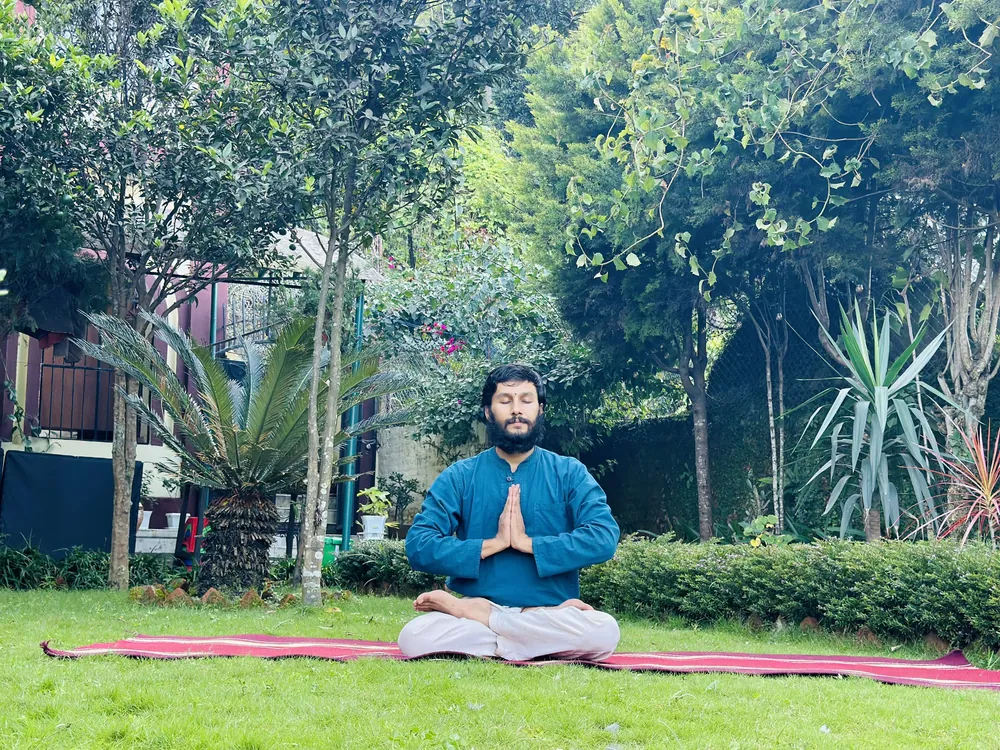
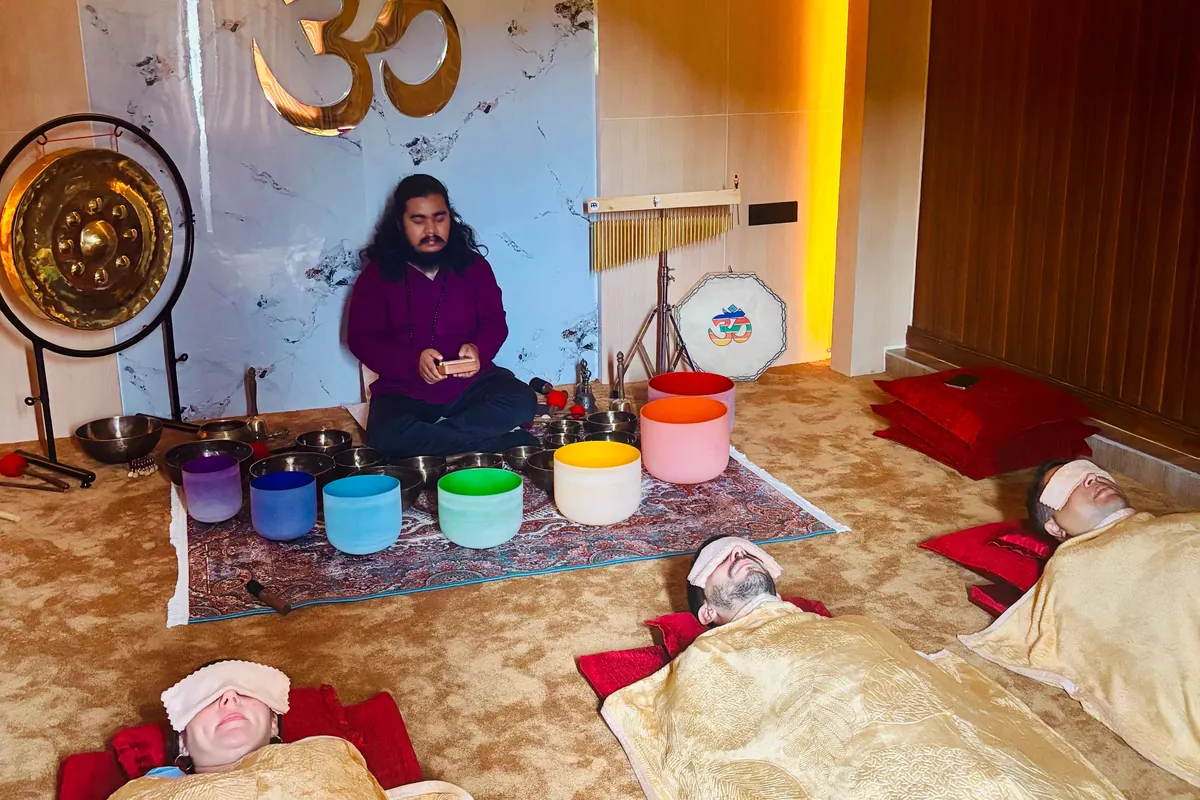
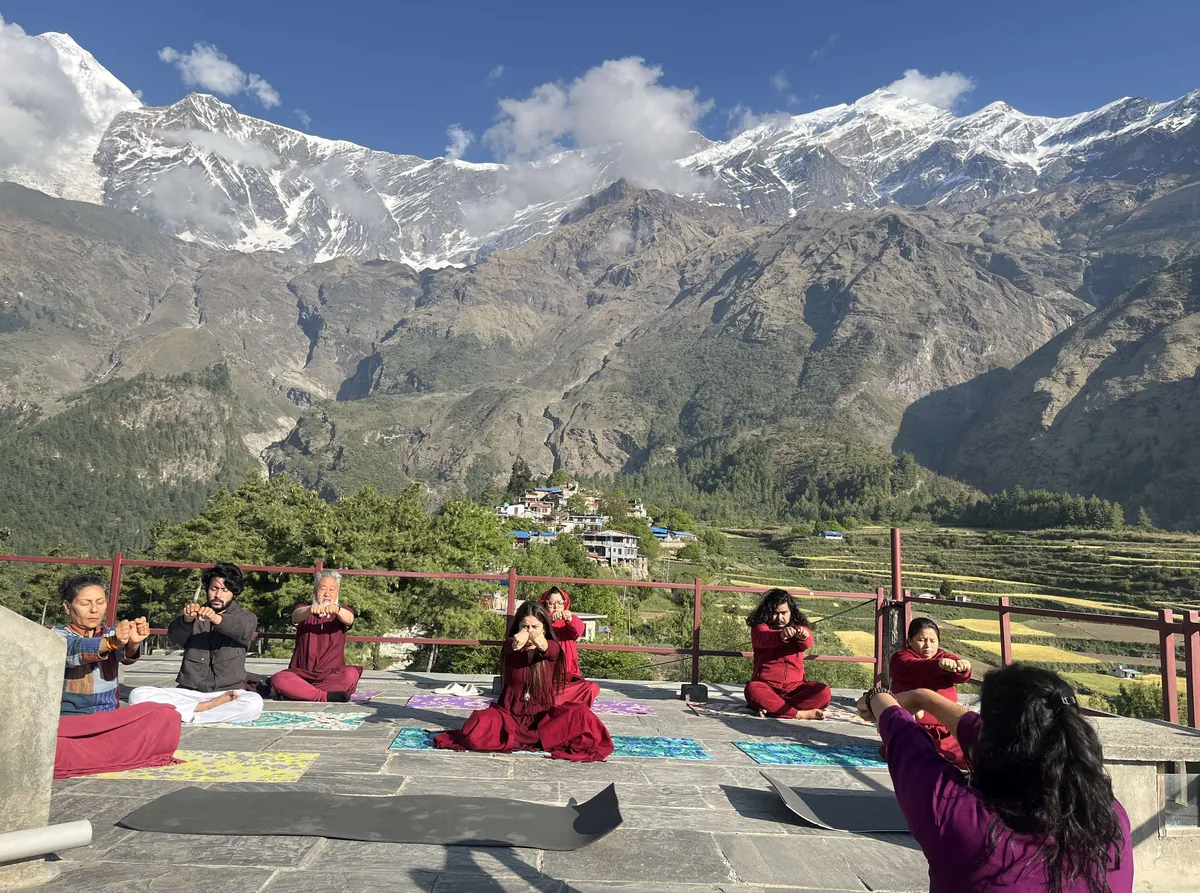
The biggest reason people hesitate to book is that they cannot picture the day. Here it is, from the first sitting to the last.
Sattvic vegetarian food from our own kitchen on the days a program runs long.
Small centre, named teachers. Here's what each one actually teaches, so you know whose room you'll be in before you arrive.
20+ years of practice in Ashtanga Mahayoga, Pranayama, and silent meditation. Her first guru was Santa Kabir Das. The spiritual head of Jivan Parivartan.
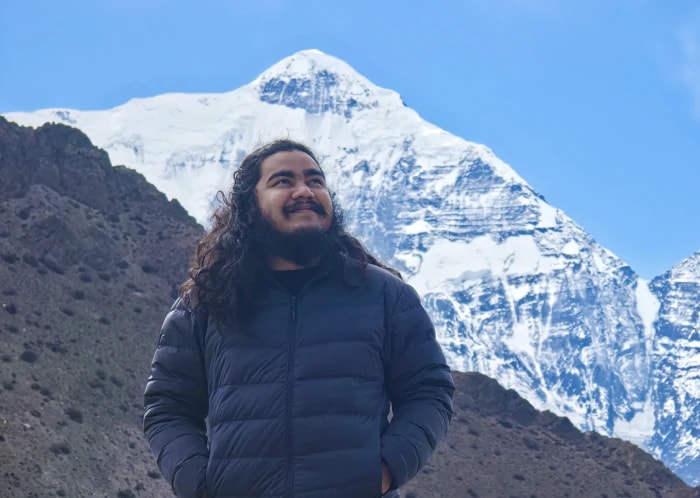
Sound healing therapist, and the teacher of our Singing Bowl Training. Program development and yoga philosophy, with two decades of wellness center leadership.
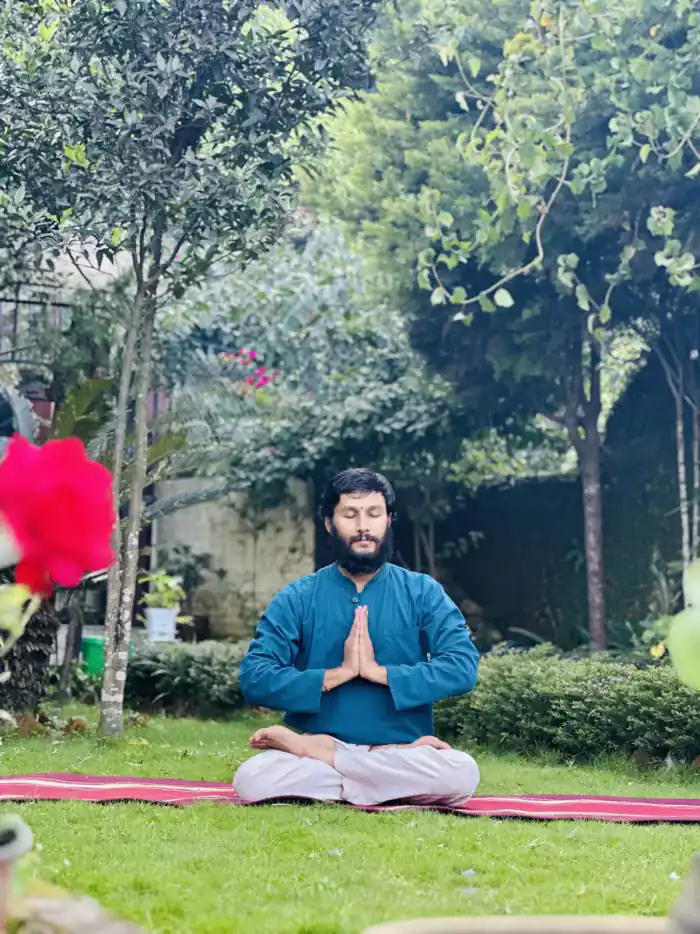
Meditation, mudra practice, mantra sadhana, and yogic philosophy. Focus on inner transformation.
Filmed at the centre, unscripted, in one take. Then reviews left publicly on Google, where we cannot edit them. Some of the earlier ones mention Thamel, where the centre was before it moved to Tarkeshwor.