You become a Reiki Master by taking the three levels of Usui Reiki in order: Level 1, then Level 2, then Master, with months of daily practice between them. With us that takes at least 12 months, 8 training days and USD 950 in course fees. Master Level is the level that qualifies you to attune and teach students of your own.
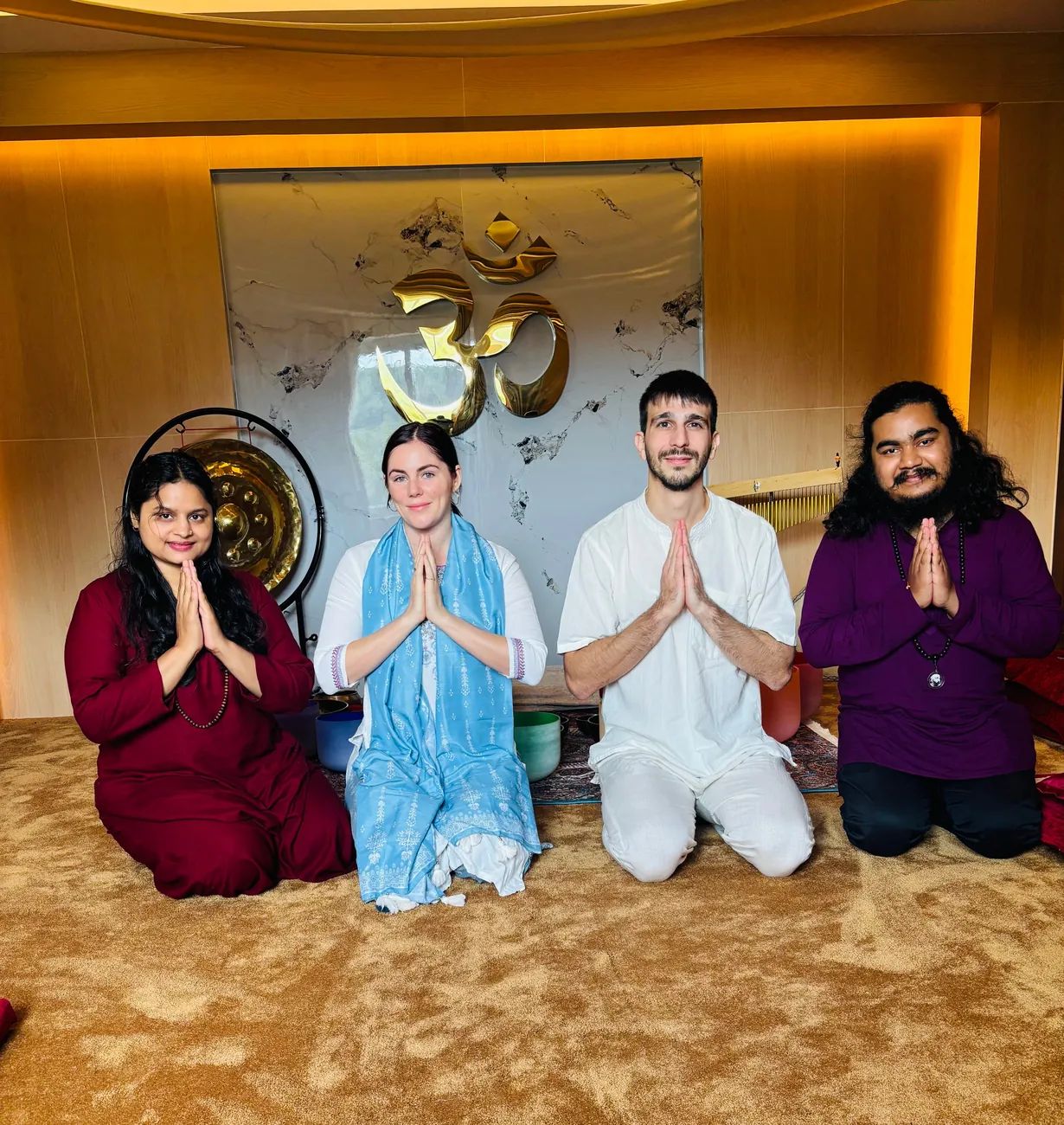
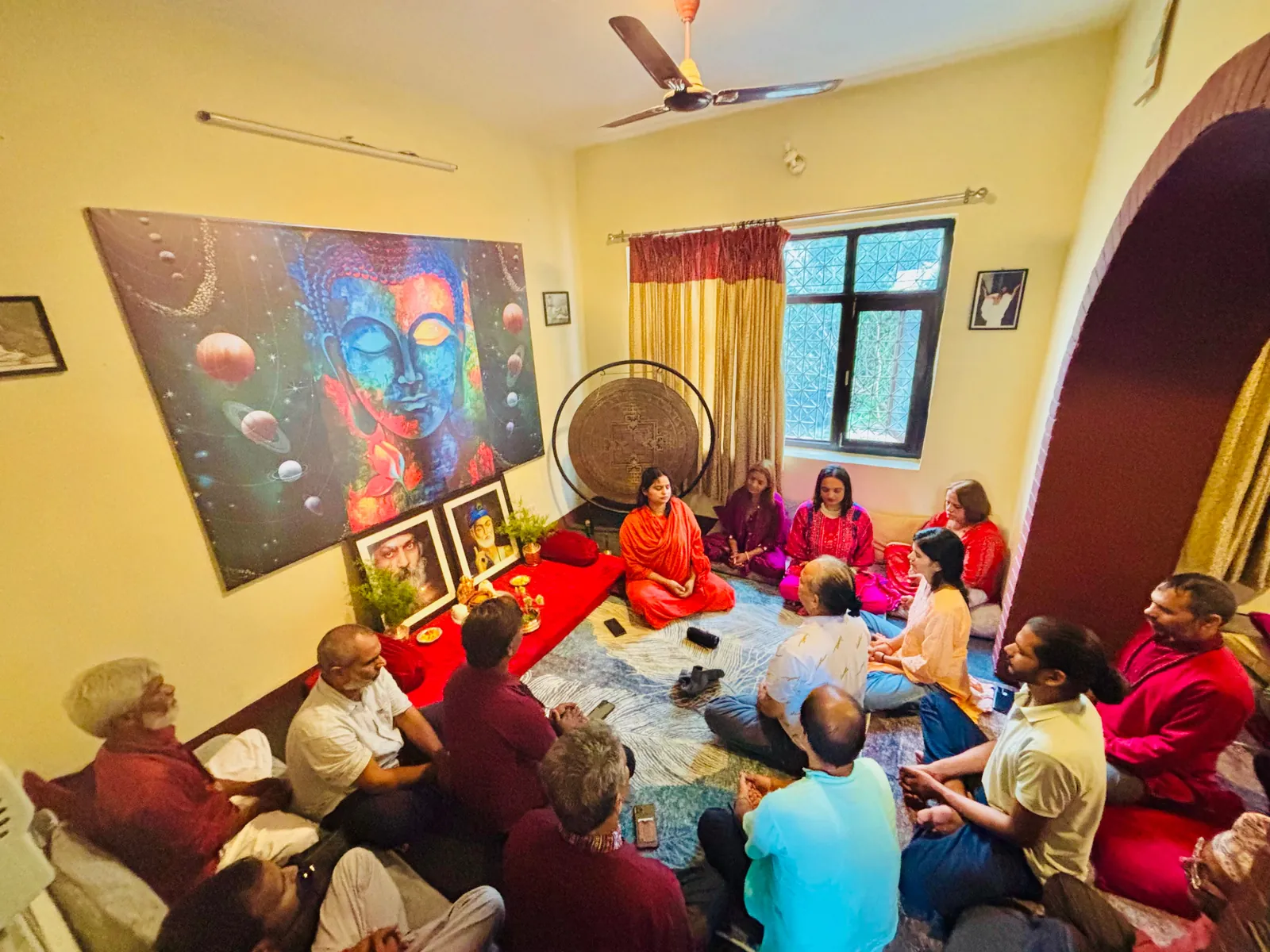
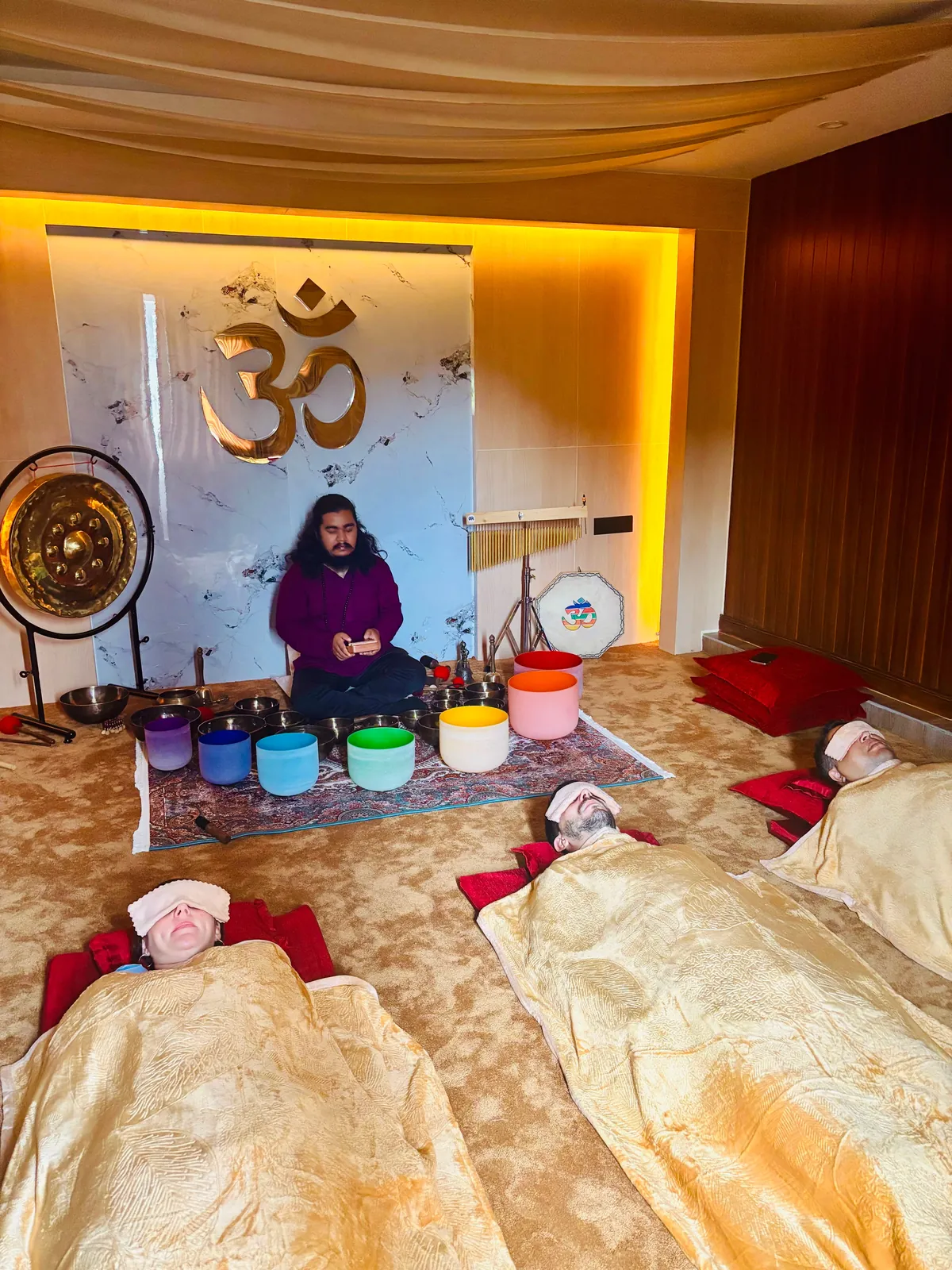
This guide walks through each step, how long the whole path takes, what it costs, and the questions people ask before they start. The worked example is our own Reiki training in Nepal, taught at our centre in Kathmandu.
How do you become a Reiki Master?
In three steps, each with its own attunement:
- Step 1, Reiki Level 1: your first attunement and Reiki for yourself, followed by 21 days of daily self-practice.
- Step 2, Reiki Level 2: at least three months later. The second attunement, three symbols, and Reiki for other people, including at a distance.
- Step 3, Master Level: at least nine months after Level 2. The master attunement, the master symbol, and how to attune and teach.
The courses are short. The time goes into the practice between them, which is where most of the learning happens. Reiki Level 1, Level 2 and Master: which do you need? compares the three levels side by side; this article is about the path from the first to the last.
Step 1: Reiki Level 1 and the 21-day practice
Everyone starts at Level 1, whatever they plan to do later. No experience is needed. Over two days you receive your first attunement, learn the hand positions for treating yourself, and learn the history of Reiki and its five principles.
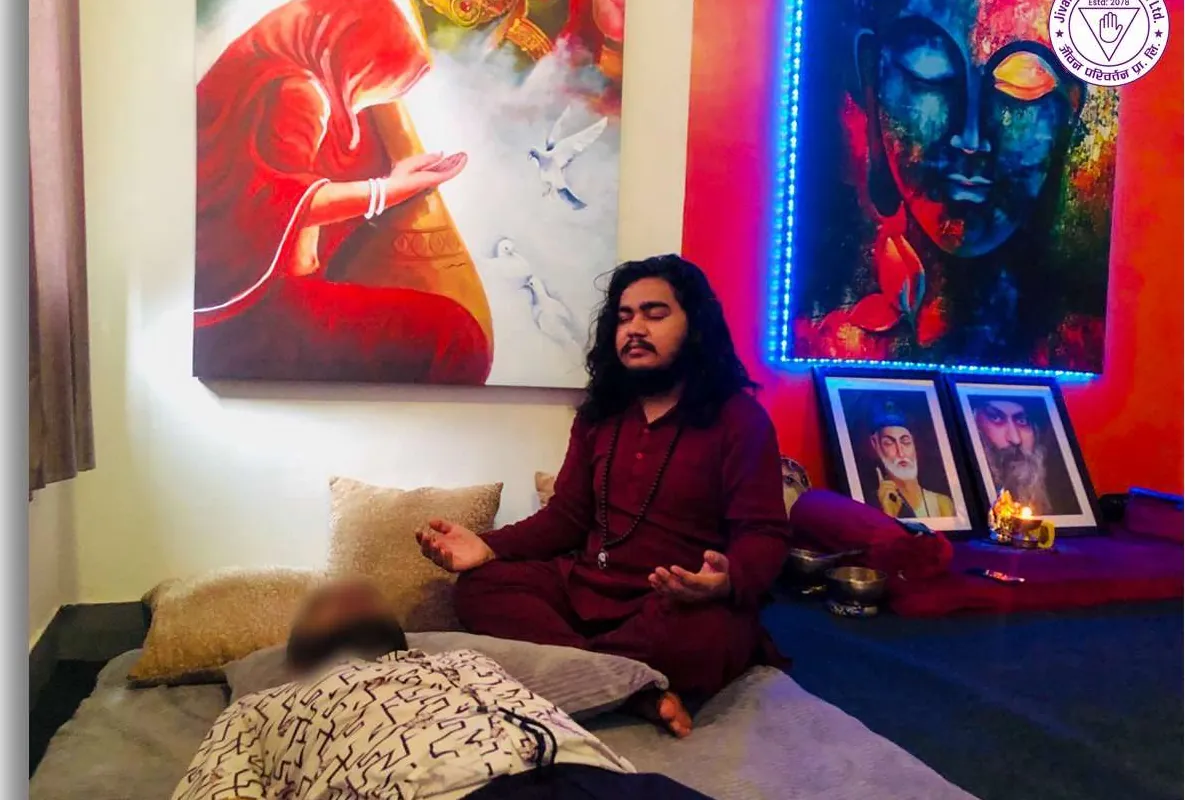
The attunement is a short seated ceremony of about 15 minutes on the first morning. What happens in a Reiki attunement describes it step by step.
After the course come 21 days of self-practice at home, two to three hours a day. This is the first real test of whether Reiki is for you. Most of what Level 2 and Master build on is laid down here, in the habit of treating yourself every day.
Our Reiki Level 1 training is 2 days and 10 hours at the centre in Tarkeshwor, Kathmandu, for USD 250.
Step 2: three months of practice, then Level 2
We ask for at least three months of daily Level 1 practice before Level 2. The attunement needs time to settle, and you need time to get to know Reiki on yourself before you work on other people.
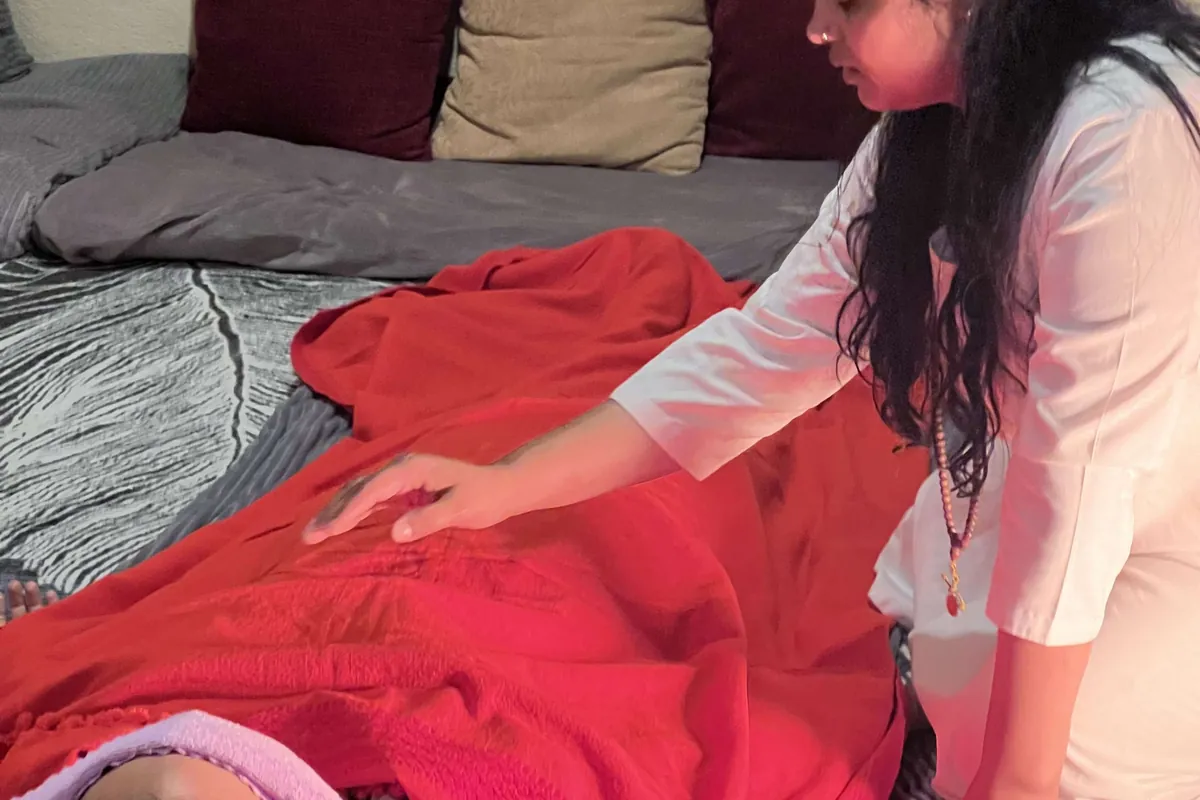
Level 2 is the level for treating others. You receive the second attunement and three symbols, learn how to structure a full session for someone else and how to look after them afterwards, and learn distance Reiki. It is also the level many organisations treat as the basis for working with clients: the UK Reiki Federation says Level 2, taken after Level 1, "is historically perceived to be sufficient for professional practice".
Our Reiki Level 2 training is 2 days and 10 hours, for USD 300.
Step 3: nine months of practice, then Master Level
Master Level comes at least nine months after Level 2, with the daily practice kept up in between. Many students come later, after a year or two, and there is no upper limit.
Because it is the teaching level, we talk with you about your practice before we agree a date. When you enquire, tell us when you took Level 1 and Level 2, and how you have practised since.
The course itself is four days. On the first morning you receive the master attunement, in the same short ceremony as the earlier levels. Then come the master symbol and its practice, how the attunement for each level is given, a method for teaching Level 1 and Level 2, and what it means to pass the Usui line on to students of your own. After the master attunement, daily self-practice is one to two hours, less than at the earlier levels.
Our Reiki Master training is 4 days and 20 hours, for USD 400.
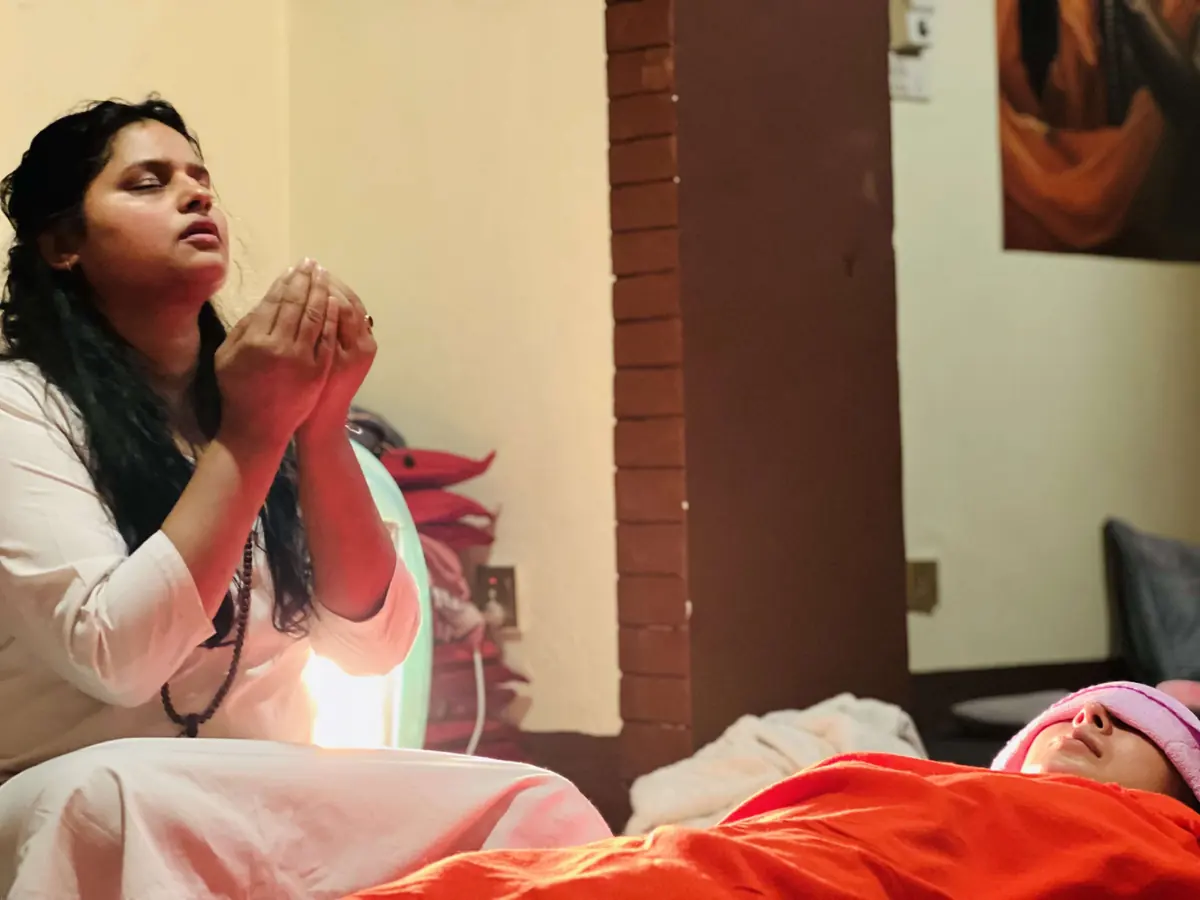
How long does it take to become a Reiki Master?
At our centre, at least 12 months from your first day of Level 1 to your Master certificate. The timeline looks like this:
- Month 0: Level 1, 2 days. Then 21 days of self-practice, two to three hours a day.
- Month 3 or later: Level 2, 2 days.
- Month 12 or later: Master Level, 4 days.
That is 8 training days and 40 hours of teaching in total. The rest of the year is practice at home, which is why the path suits people who can come back to Nepal, or who live here.
Schools differ a great deal on timing. Some teach Level 1 and Level 2 in one weekend, and some teach every level in a single course of a week or less. If you compare schools, look at the hours of teaching and the practice time between attunements, not only the number of days.
How much does it cost to become a Reiki Master?
Our course fees for the full path are USD 950:
- Level 1: USD 250
- Level 2: USD 300
- Master Level: USD 400
Each fee includes the attunement, the course manual, supervised practice, the certificate, a vegetarian lunch on every training day, guidance by email afterwards, and airport pickup and drop to your hotel. A 20% deposit confirms your place, and the balance is due on arrival.
Flights and accommodation are not included. If you need a hotel, we can arrange one in Thamel, about 30 minutes from the centre. Because the levels are months apart, budget for three trips if you do not live in Nepal.
Reiki Master or Reiki Master Teacher: what is the difference?
It depends on the school. Some split the third level in two: a Master practitioner level (sometimes called 3A) with the master attunement and symbol, and a Master Teacher level (3B) where you learn to attune and teach. Others, like us, teach it as one level.
At Jivan Parivartan, Master Level includes both. You receive the master attunement and the master symbol, and you learn how to attune others and how to teach. When you complete it you are qualified to initiate and teach Reiki yourself, subject to the rules where you live. If a course elsewhere is called Master, ask whether it includes giving attunements.
Do you need a licence to work as a Reiki Master?
Rules differ from country to country, so check what yours asks for before you take paying clients or students. Insurance and membership of a professional association are common requirements.
The United Kingdom is one example. There, the UK Reiki Federation explains that to practise in a healthcare setting you would need an accredited course, which allows you to register with the Complementary & Natural Healthcare Council (CNHC). Its accredited training lasts at least 9 months and 240 hours of study, with case studies and a written questionnaire.
Can you become a Reiki Master online, or in a weekend?
Some schools sell Master certificates online, or teach all three levels over a few days. Whether that suits you depends on what you want the certificate for.
Two things are worth knowing. The UK Reiki Federation says attunements "should always be done in person", and that "courses taught on line are not acceptable for professional membership of an organisation". And a weekend course leaves no time for the practice between levels, which is the part we consider most important. We teach every level in person, at the centre, and never give two levels on the same trip.
Frequently asked questions
What qualifications do you need to learn Reiki?
None for Level 1. Anyone can learn it, with no experience and no special sensitivity. Level 2 needs Level 1 and the practice after it, and Master needs Level 2 and the practice after that.
Can anyone become a Reiki Master?
Anyone who takes the three levels and keeps up the practice between them. Because Master is the teaching level, we talk with each student about their practice before agreeing a date, and we suggest waiting if Level 2 was recent or the practice has lapsed.
How do you become a Reiki practitioner?
Take Level 1 and Level 2. Level 2 is the level for treating other people, and you do not need Master to work with clients. Check the rules where you live before you charge for sessions.
I took Level 1 or Level 2 elsewhere. Can I take Master with you?
Tell us when you enquire which levels you took, with whom and when, and we will talk with you about the next step.
Who teaches Master Level here?
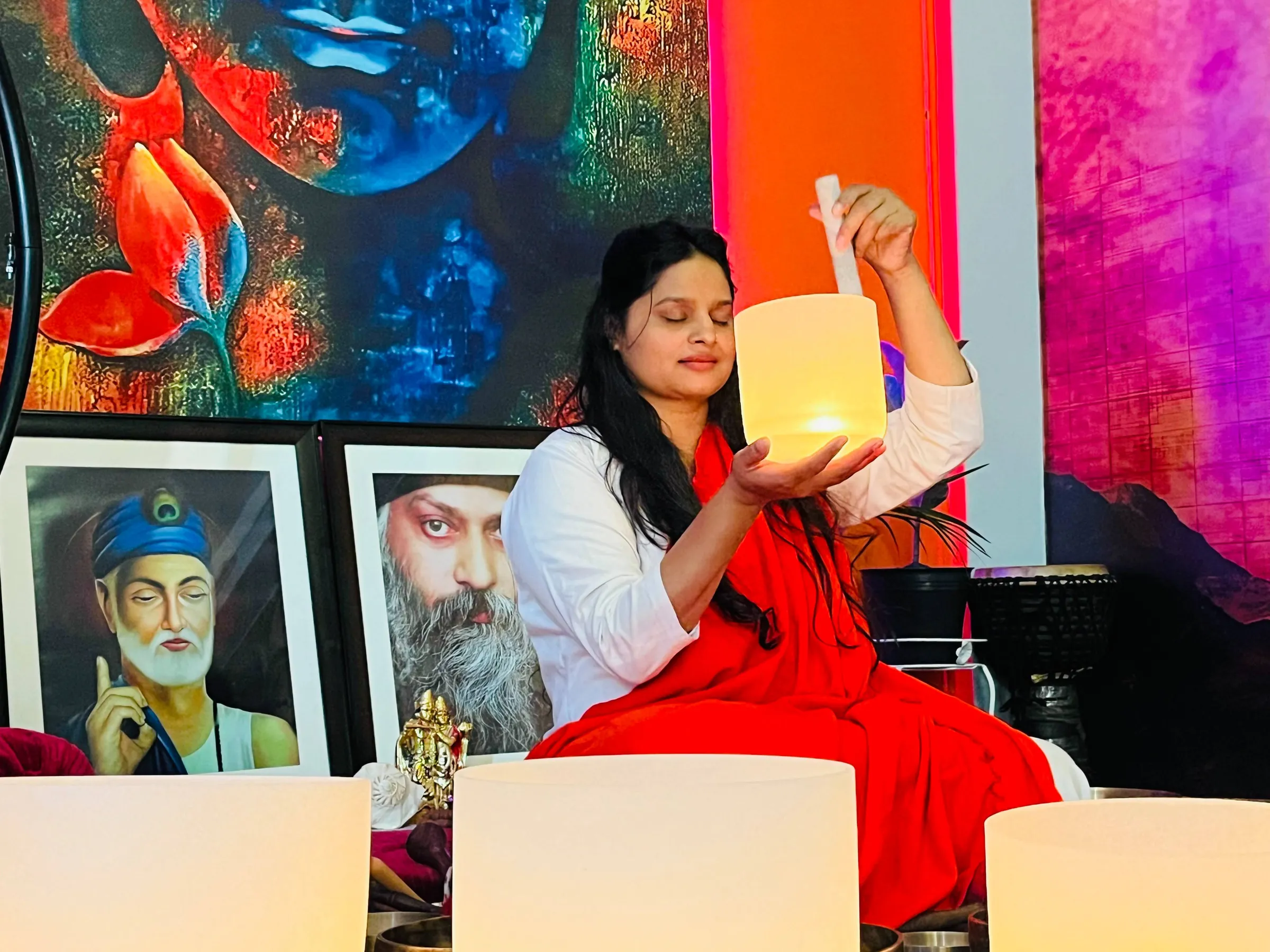
Maa Nisha Kabir teaches every level herself, in English, Hindi or Nepali. She trained in Reiki in 2017 and has taught it at our centre since 2021, to 70+ students.