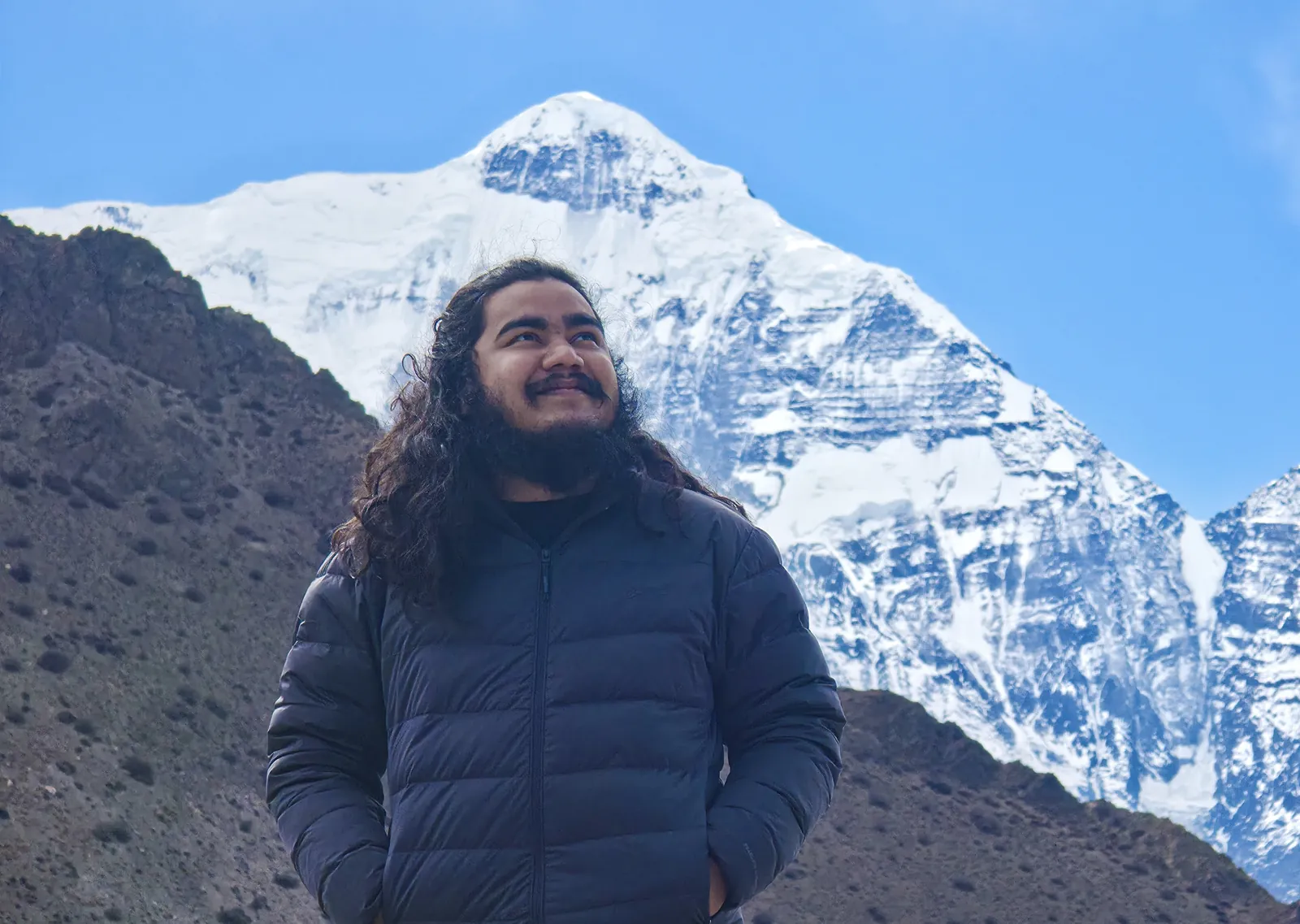
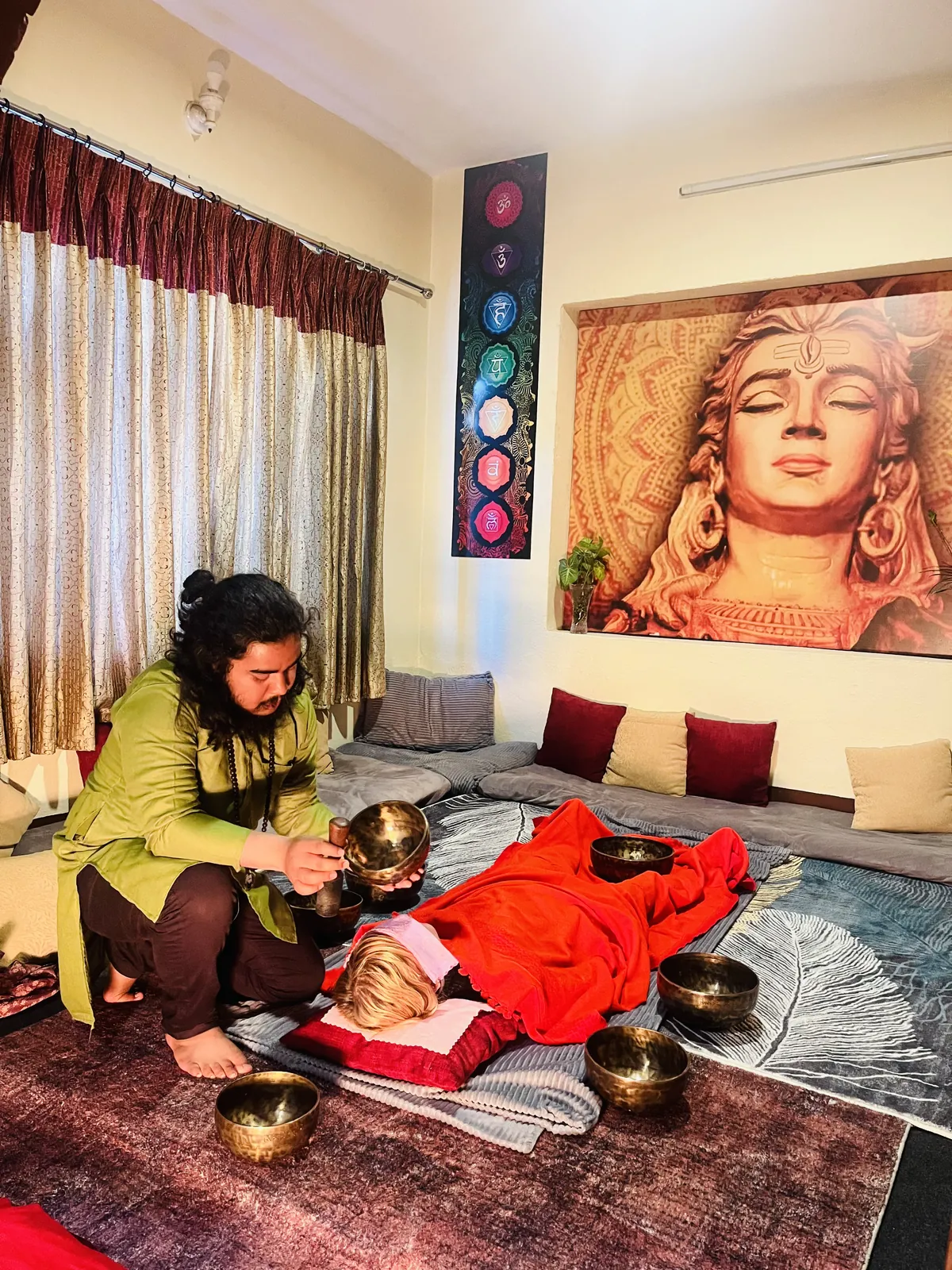
After singing bowl training in Nepal, common ways to start a sound healing career are to add bowls to work you already do, such as yoga teaching, meditation or massage, or to offer group sound baths and one-to-one relaxation sessions. A certificate from a short course shows what you trained in. It is not a licence, and in the UK, the US and Australia some titles and health claims are reserved for clinically qualified people. Before your first paying client, settle four things: what you call yourself, what you say a session does, insurance, and enough practice.
What can you do with a singing bowl certificate?
Common ways to use the training:
- a few minutes of bowls at the end of a yoga or meditation class
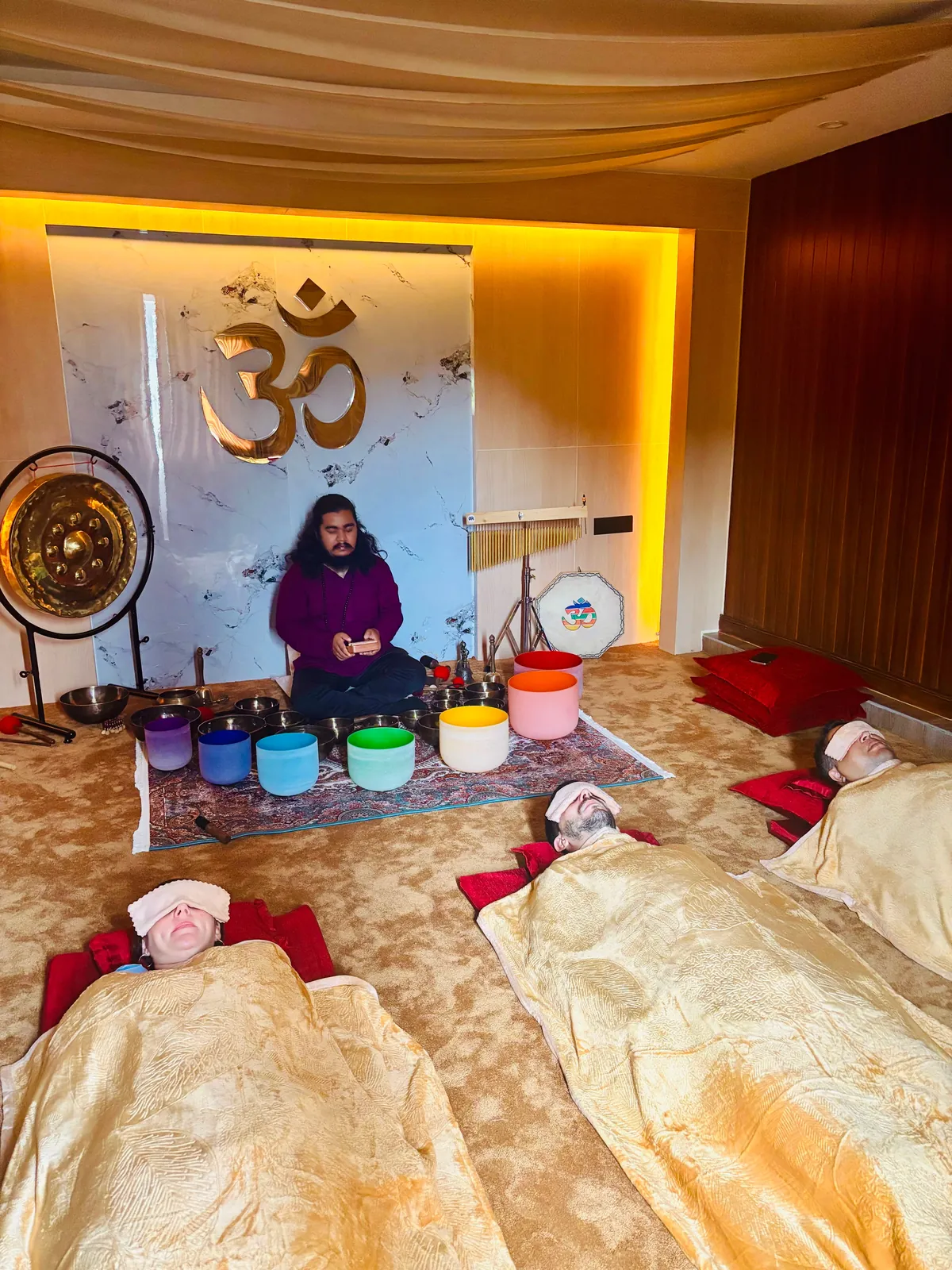
- group sound baths at a studio, retreat or workplace
- one-to-one relaxation sessions
- bowls added to massage or bodywork you are already qualified to give
Many of our graduates add bowls to yoga classes or massage practice, or run sound healing sessions of their own.
If you have not chosen a course yet, start with our guide on how to choose singing bowl training in Nepal.
Is sound healing a regulated profession?
Sound healing sits next to music therapy, which is a regulated clinical profession in several countries. The two are easy to confuse, and the difference decides which titles you can use.
- UK: music therapist is a protected title. Only arts therapists registered with the Health and Care Professions Council may use it.
- US: music therapists complete an approved degree and internship and pass the exam for the MT-BC credential, and some states also license them.
- Australia: music therapy is a self-regulated profession, and the Australian Music Therapy Association certifies Registered Music Therapists.
A singing bowl course, ours included, does not make you a music therapist, so do not use that title or one that sounds like it.
Other rules can still apply to you. In Australia, a National Code of Conduct for unregistered health practitioners operates in most states and territories, and one of its rules is that practitioners must not claim to cure cancer or other terminal illnesses. In the US, 45 states and the District of Columbia regulate massage therapy, so if you place bowls on clients or use the word massage in your marketing, check what your state's massage law covers. Rules differ by country, state and city, and they change, so check them where you will work.
What can you say a sound healing session does?
Describe what happens in a session and say it is for relaxation. Do not say it treats, cures or prevents an illness.
In the UK, the Advertising Standards Authority's guidance on complementary therapies says claims about the relaxing nature of a therapy are likely to be acceptable, while efficacy claims need strong evidence, and practitioners without medical qualifications should not refer to serious medical conditions in their ads. In the US, the Federal Trade Commission expects health claims to be backed by competent and reliable scientific evidence, generally randomised controlled trials.
The research on singing bowls supports modest wording. Small studies report less tension and better mood straight after a session, with weak controls and no lasting effect shown. We go through the studies in what singing bowl sound healing actually does. Sound sessions do not replace medical care, and a client with a health condition should keep following their doctor's advice.
- Fine: "A 60-minute singing bowl session to help you rest and relax."
- Avoid: "heals anxiety", "cures insomnia", "treats depression".
Do you need insurance as a sound healer?
Get professional liability and public liability insurance before you take paying clients. Studios and retreat venues may ask to see it.
Insurers that cover complementary therapists expect you to be qualified for what you offer. Balens, a UK insurer of therapists, says evidence of your qualification must be provided when cover is arranged or when a claim is made. Keep your certificate and the course outline, which together show what you were trained to do.
Accreditation and insurance are separate. IPHM, for example, states that its accreditation does not include insurance.
How do you find your first clients?
Start with people who already know you. If you teach yoga or give massage, add a short sound segment for your current students or clients, then offer full sessions to those who ask. Practise full sessions on friends and family until you can run one calmly from start to finish.
Use a short intake form for every client. Ask about pregnancy, epilepsy, pacemakers and other implants, recent surgery, and ear or hearing conditions. If any apply, keep the bowls off the body and the volume low, or ask the client to check with their doctor first.
Group sound baths need a venue, mats and blankets. One-to-one sessions need a quiet room with space to move around a person lying down.
What equipment do you need to start?
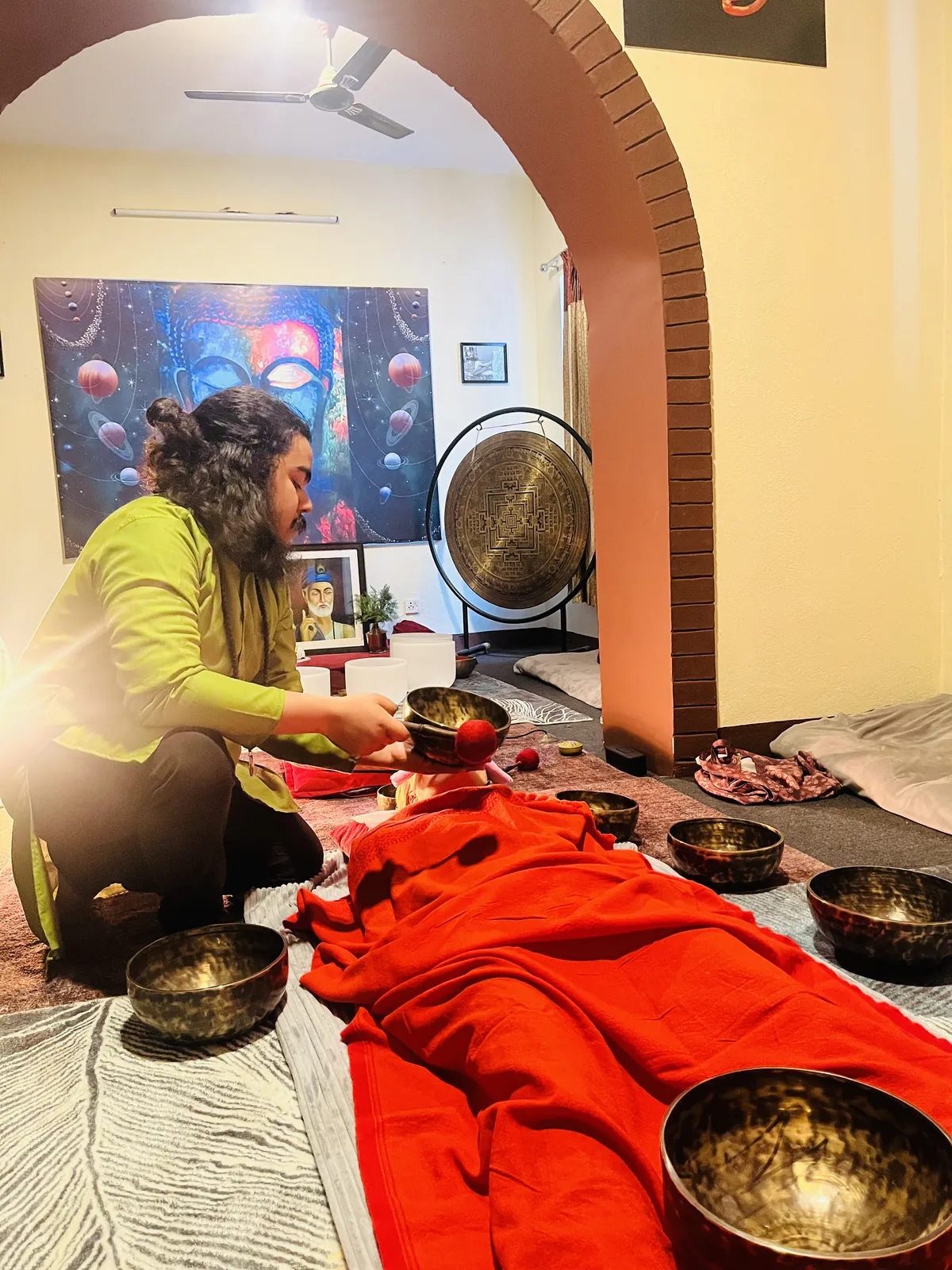
For one-to-one work you can start with a few hand-hammered bronze bowls of different sizes, a mallet for striking and one for rimming, rings or cushions to rest the bowls on, and mats, pillows and blankets for clients. Add crystal bowls or a gong later if you want a fuller sound for groups. Our guide to singing bowl types explains what to check when you buy.
Buy after you have played several bowls. On our course you practise on the centre's set of seven bowls, which stay at the centre, so you can learn which sizes and tones you like before you spend money.
Does a singing bowl course count towards yoga continuing education?
Yoga Alliance asks registered yoga teachers to complete 30 training hours and 45 teaching hours every three years. Courses run by a Yoga Alliance Continuing Education Provider (YACEP) are offered for this purpose. If you need the hours, ask the school whether its course qualifies before you book.
Should you train further?
After a short course, regular sessions with feedback from an experienced practitioner build your skill.
If you want to work clinically with people who have mental or physical health conditions, look at music therapy or another recognised clinical qualification. In the US that means an approved degree, an internship and a board certification exam.
Within singing bowl work, our 7-day advanced course follows the 3-day basic course and goes further into chakra balancing protocols, full-body sound massage and designing complete healing sessions for clients. Both are part of our singing bowl training in Kathmandu.
Frequently asked questions
Can I call myself a sound therapist after a course in Nepal?
Do not call yourself a music therapist: in the UK it is a protected title, and in the US and Australia it signals a clinical credential. Titles such as sound healer or sound practitioner describe the work without suggesting a clinical qualification. Check local rules before you use any title with therapist in it.
How soon can I take paying clients?
There is no fixed point. Practise full sessions on friends and family until you can run one calmly from start to finish, and have insurance in place before you charge anyone.
Is a 3-day course enough to start?
Our 3-day basic course covers technique, a chakra balancing protocol, session design, contraindications and ethics, with supervised client practice, which is enough to start offering basic sessions. The 7-day advanced course goes further into full-body sound massage and designing sessions for clients.